
Contact: Anthony Rodriguez
(614) 466-9547
COLUMBUS, Ohio – November 19, 2009 – Duke Energy Ohio today filed a settlement to cover the costs of the next phase of its plan to implement a smart grid. The Office of the Ohio Consumers’ Counsel (OCC) did not sign the settlement because the plan gives no assurances about when residential consumers benefit from the smart grid and dynamic prices.
Duke Energy also may elect to reject $200 million in federal money it was awarded to implement a $1 billion smart grid in Ohio, Indiana and Kentucky. The OCC believes it is essential for Duke to accept the federal grant money given its desire to roll out smart grid throughout its service territory. This will help defray the costs that consumers will have to pay.
The settlement adds charges to electric and natural gas bills. For the average residential customer, the monthly charges would add $0.49 to their electric bill and $0.12 to their natural gas bill. The settlement will require approval from the Public Utilities Commission of Ohio before new charges can be added to customers’ bills.
Smart grid includes a variety of improvements to electric transmission and distribution systems that take advantage of several technological advancements used today. The improvements result in a grid that is more efficient and reliable. For consumers to take advantage of the smart grid, dynamic prices are essential. These pricing mechanisms enable consumers to respond to real-time price that allow better management and control of energy use in their homes.
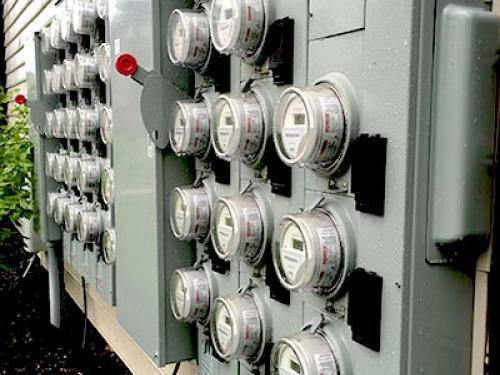
Initially, Duke’s smart grid proposal plans to add 190,000 automated electric meters and 130,000 automated natural gas meters. The utility also will upgrade distribution lines, telecommunications and information technology equipment. What the proposal doesn’t do is provide a timeline to install a more advanced billing system and dynamic pricing options for electricity that would make the smart grid useful to residential consumers.
“As long as customers are not experiencing the benefits of a smart grid, Duke Energy cannot justify the upgrades as useful to consumers,” said Consumers’ Counsel Janine Migden-Ostrander. “The utility should not be able to recover costs for the technology until it can demonstrate benefits consumers can see.”
Additionally, the OCC believes Duke should commit to developing a plan that makes pricing options available to customers in the near future.
“The key to smart grid for individual consumers is the ability to have information and programs available to manage how they use electricity to take advantage of potential savings,” Migden-Ostrander said. “With voluntary programs that allow customers to shift their usage to off-peak times, this will help defer the need to build very costly new power plants, saving electricity costs for all customers.”
Duke also will not specify how and when it will begin to apply the financial benefits a smart grid will provide consumers. The utility will save money by upgrading to a smart grid in the form of reduced operational costs and could possibly make money because of the investments. The savings and additional income would result from investments Duke’s customers already have paid or will pay. These savings must be sent back to consumers.
Duke Energy is negotiating the conditions required to accept $200 million in federal stimulus dollars with the U.S. Department of Energy. The grant would reduce the cost of the utility’s smart grid project by 20 percent. Duke has yet to agree to take the American Recovery and Reinvestment Act money.
End of Page