

As temperatures drop, Ohioans are starting to crank up their furnaces. For many families, the onset of winter, and winter heating bills, can be worrisome.
The Office of the Ohio Consumers' Counsel (OCC) offers information about assistance programs available to help consumers stay connected to their utility services.
In September, the Public Utilities Commission of Ohio (PUCO) issued a Winter Reconnect Order providing electric and natural gas utility customers the opportunity to avoid a disconnection or have their services restored by making a one-time payment of $175. Customers using the Winter Reconnect Order must then enter into a payment arrangement with their utility company for any remaining balances. The Order went into effect October 15th and extends until April 15th 2013.
Other things to know about the Winter Reconnect Order:
For more information about other utility assistance programs, please visit OCC's website: http://www.pickocc.org/publications/factsheets-assistance.shtml.
By Marty Berkowitz
Daylight hours are shrinking and winter darkness is upon us again. Ohioans are spending more money to light the areas around their homes at night. Some consumers do so for aesthetics, while others use outside lighting for safety. Many consumers use outside lighting for both reasons.
There are several types of outdoor lighting. Understanding the differences can help you reduce the cost of lighting the outside area of your home at night. This article will show you how to calculate the cost and enjoy potential savings by changing the types of lighting used around your home.
Many consumers place lights around their doorways, on their porches, patios, walkways, driveways and other dark areas outside of their home. Light fixtures can be operated manually, have motion or infrared sensors, use solar cells or be timer-controlled.
Consumers can estimate the cost of lighting their home at night based on how long bulbs are lit, the amount of energy each bulb uses and the cost of electricity charged by their electric utility. For example, an American Electric Power (AEP) customer using four outdoor lights for 12 hours may pay around 44 cents each day ($14 monthly) as detailed in the accompanying chart:
In order to calculate your home's night lighting costs, take these three easy steps:
OCC recommends several ways for consumers to save on the cost of lighting their homes at night, including:
For more information about saving energy and money, visit http://www.pickocc.org/publications/energy_efficiency/Easy_Ways_to_Save.pdf. The cost of outdoor lighting is relatively inexpensive and could be well worth the safety benefits. We hope you will use these tips to save money on your energy bills.
By Marty Berkowitz
(1) Ohio Utility Rate Survey, Public Utilities Commission of Ohio Staff Report, Oct. 15, 2012, http://www.puco.ohio.gov/emplibrary/files/util/UtilityRateSurvey/Oct12.pdf
Mailings, door-to-door solicitors, phone calls and ads. Independent energy suppliers are out in force, looking to sign up new customers for their services.
In recent years, the way we purchase electricity and natural gas has changed. Not long ago, Ohioans did not have any choices regarding their utility services. Today, consumers have choices. We still have the option to purchase our electric and natural gas supply from the local utility, but we also have a number of retail energy suppliers from which to choose.
The Office of the Ohio Consumers' Counsel (OCC) offers fact sheets giving customers information about current retail offers and a chart to compare the price of these offers to what the utilities are charging. Each chart includes a list of offers from independent electric and natural gas suppliers as well as contact and contract information. Click on your local gas utility for more information about comparing your natural gas choices: Columbia Gas, Dominion East Ohio, Duke Energy, Vectren or download Comparing your electric choices from OCC's website.
OCC urges you to be informed not only about available offers but about the terms and conditions of any contract you may sign. Before agreeing to a contract with any supplier, make sure you have answers to the following questions:
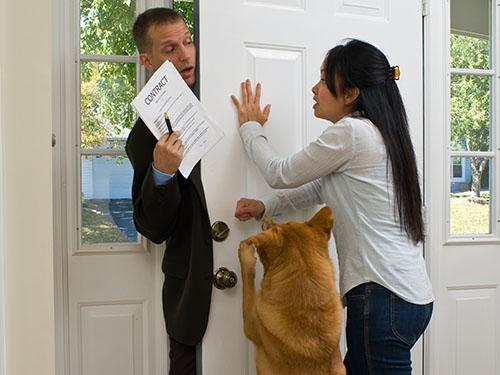
If a salesperson comes to your home, ask to see a valid photo identification badge issued by the supplier. Solicitors must explain that they are not employees of the utility and clearly explain the details of any document they ask you to sign. Make sure you read everything in the fine print and ALWAYS keep a copy of your signed contract. Whether you are contacted by phone or in person, never release your billing or account information to a salesperson unless you have decided to enter into a contract.
Alternative energy suppliers offer choices to consumers regarding their electricity and natural gas services. But some choices, especially if not based on price comparisons, can be costly for consumers.
By Marty Berkowitz

Saving money by being energy efficient is now easier than ever. More and more Ohioans are switching to compact fluorescent light bulbs (CFLs), adding insulation to walls and attics, and installing programmable thermostats.
Several new programs are available for consumers to become more energy efficient. Ohio's electric and natural gas utilities are offering rebates and other incentives to help you save money on your bills.
The Office of the Ohio Consumers' Counsel (OCC) encourages you to learn more about these money saving opportunities offered by your Ohio utilities:
Programs may vary by utility. These are general descriptions of the energy saving opportunities listed in the chart:
Energy Audit: Receive a comprehensive test of your home's efficiency with a complete energy audit. An energy auditor will determine if there are ways that you can save energy through various upgrades or home improvements. Many audits will include thermal camera and blowerdoor testing. These techniques show where outside air may be leaking into your home and where added sealing or insulation will help you become more efficient. At the completion of the audit, you will receive a detailed report with a list of recommendations to reduce your energy use and save money on your bills.
Energy Assessment: Receive a shorter, but less comprehensive version of the energy audit. Assessments typically include a thermal camera test and basic visual inspections for energy leaks. An energy auditor will provide you general recommendations; however an energy assessment will not be as in-depth as a full audit report.
Lighting Discounts: Purchase discounted compact fluorescent lights (CFLs) or more efficient light-emitting diodes (LEDs) to reduce your energy use. Many local retailers offer immediate discounts without needing additional paperwork.
Appliance Rebates/Recycling: Purchase new energy efficient appliances and remove those that are old and inefficient. Many utilities offer rebates on the purchase of new appliances such as clothes washers, dishwashers, refrigerators and freezers. In addition, several will pick up your old, working refrigerators and freezers and provide a monetary incentive.
Furnace/AC Tune-Ups: Receive a discount to have your furnace, air-conditioner or heat pump inspected to ensure it is in good working order. Tuning up cooling and heating systems will save you money on your utility bills and extend the life of your appliances. Most utilities provide a list of approved contractors in your area.
Energy Control: Allow your utility to occasionally control your energy usage on certain days. On the hottest days of the year, when the demand for electricity is at its peak, the availability of electricity may be strained. To reduce the need to build new power plants, you can give your utility more flexibility in managing its energy load. Your local utility will install a device that allows it to turn your air-conditioner on and off during these high-demand days. Some utilities offer immediate incentives for signing up for the program.
Other: Many utilities offer other energy savings opportunities. Some provide incentives to purchase programmable thermostats and high efficiency showerheads, and to have upgrades performed on your home and more. Contact your local natural gas and electric utilities to find out about other energy savings opportunities.
American Electric Power
www.AEPOhio.com/Rebates
Recycling: 877-545-4112
Audit: 877-856-2454
Columbia Gas of Ohio
www.ColumbiaGasOhio.com/e-store
866-542-4767
Dayton Power & Light
www.dpandl.com/save
Recycling: 877-545-4112
Tune-up: 877-230-6937
Dominion East Ohio
www.deohpwes.com
877-287-3416
Duke Energy
www.duke-energy.com/ohio/savings.asp
Audit: 877-388-7676
Energy Control: 877-392-4848
FirstEnergy
www.energysaveohio-home.com
Recycling: 877-545-4112
Audit: 888-243-6808
Vectren Energy of Ohio
www.vectren.com
866-240-8476
By Erin Biehl
Questions have been raised about the amount of money FirstEnergy is charging its customers for renewable energy. The Public Utilities Commission of Ohio (PUCO) ordered two independent audits to review FirstEnergy's renewable energy purchases.
Ohio law requires electric utilities to purchase an increasing percentage of their energy from renewable sources each year through 2025. In 2011, the law required one percent of Ohio utilities' power to come from renewable energy. Utilities can either purchase renewable energy credits (also known as RECs) on the market or build their own renewable energy facilities. A REC is a certificate of proof that electricity was generated from a renewable energy source.
The independent audits found that FirstEnergy subsidiaries Ohio Edison, Toledo Edison and Cleveland Electric Illuminating charged their customers much more for renewable energy than any other Ohio utility.
According to the audit report from Exeter Associates, Inc.:
Additionally, FirstEnergy bought some of its renewable energy from its unregulated affiliate FirstEnergy Solutions. The audit report stated that "The FirstEnergy Ohio utilities should have been aware that the prices bid by FirstEnergy Solutions … were excessive by any reasonable measure."
The auditor also recommended that the PUCO consider "the disallowance of excessive costs" associated with purchasing renewable energy.
Electric utilities are allowed to charge their customers the reasonable costs of purchasing renewable energy. The Office of the Ohio Consumers' Counsel (OCC) and other parties are reviewing the two audit reports and will be making recommendations to the PUCO regarding the costs to customers.
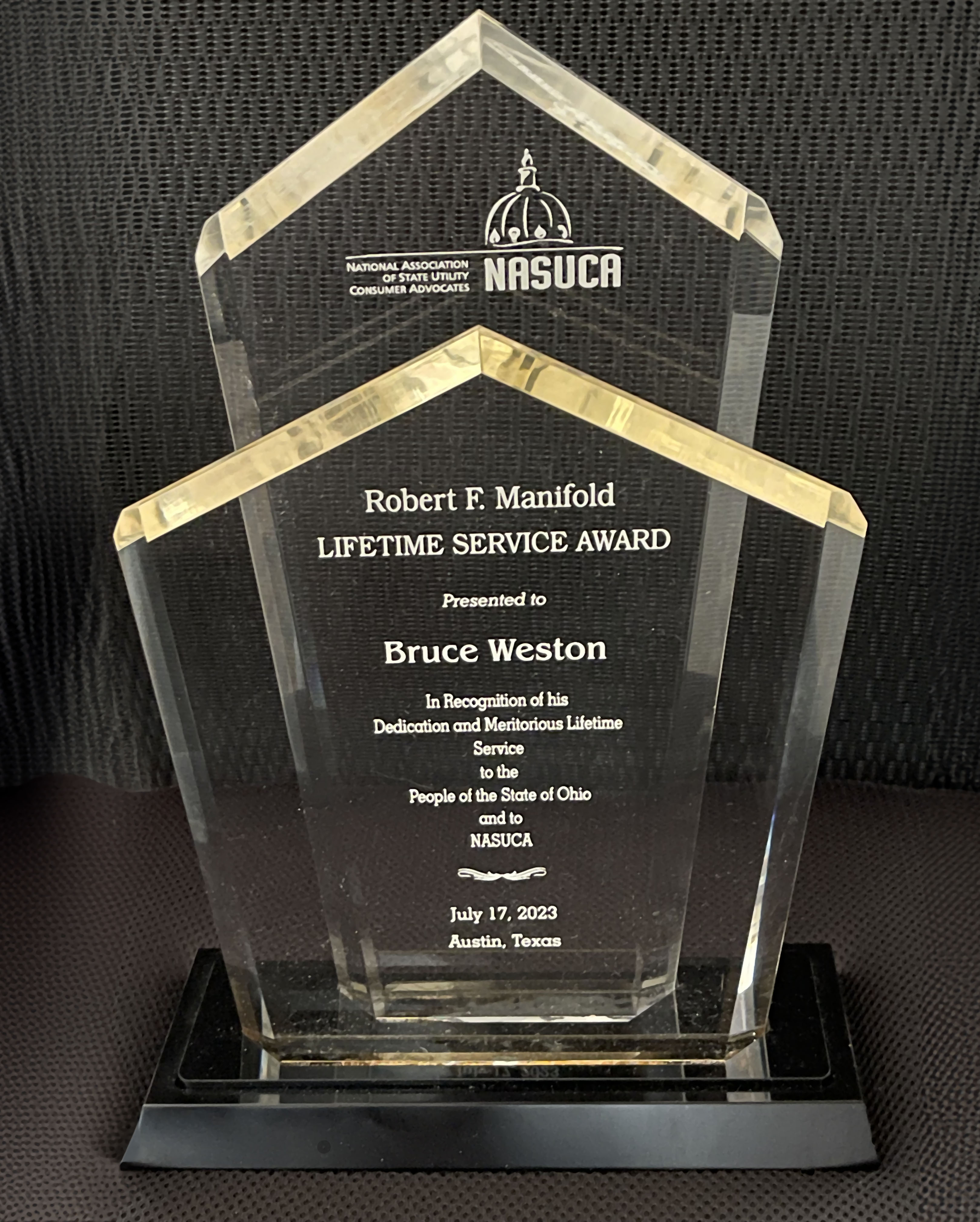
"Ohio consumers should not have to pay for excessive costs associated with the purchase of renewable energy," said Ohio Consumers' Counsel Bruce J. Weston.
By Amy Kurt
End of Page